
How to Recognize Signs of Ingrown Toenails in the Elderly
posted: Jan. 22, 2026.
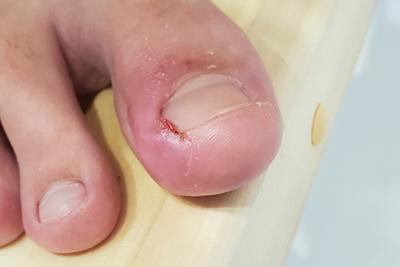
Ingrown toenails are a common but often overlooked foot problem in older adults. What may begin as mild tenderness along the edge of a toenail can progress into significant pain, infection, and mobility issues if left untreated. At Central Connecticut Footcare Center in Meriden, CT, Dr. Tina Boucher helps elderly patients and their families recognize early warning signs of ingrown toenails so treatment can begin before complications develop.
Why Ingrown Toenails Are More Common in Older Adults
As people age, changes in nail thickness, circulation, and foot structure increase the risk of ingrown toenails. Toenails may become thicker, more brittle, or harder to trim properly. Reduced flexibility can make routine foot care difficult, leading to improper nail cutting or neglected nails.
Medical conditions such as diabetes, arthritis, and poor circulation also play a role. These conditions can slow healing, reduce sensation, and increase the risk of infection, making even minor nail problems more serious for elderly patients.
Early Signs to Watch For
Recognizing early symptoms is essential. Common signs of an ingrown toenail include redness, swelling, and tenderness along one side of the nail. Some patients notice discomfort when wearing shoes or pressure along the toe while walking.
In older adults, symptoms may be subtle. Reduced sensation can delay recognition of pain, allowing the condition to worsen. Family members or caregivers may notice changes such as limping, reluctance to walk, or increased sensitivity when the toe is touched.
Signs of Infection and When to Act
If an ingrown toenail is not treated, infection may develop. Warning signs include increased swelling, warmth, drainage, foul odor, or worsening pain. In patients with diabetes or circulatory issues, infections can spread quickly and require prompt medical care.
Any signs of infection, persistent pain, or changes in skin color around the toenail should be evaluated by a podiatrist as soon as possible.
Safe Treatment for Elderly Patients
At Central Connecticut Footcare Center, Dr. Boucher evaluates the toenail, surrounding skin, and circulation to determine the safest treatment approach. Early cases may be treated with gentle nail care and pressure relief. More advanced cases can often be resolved with a minor in-office procedure that removes the ingrown portion of the nail and reduces the risk of recurrence.
Professional treatment is especially important for elderly patients, as attempting home remedies or self-removal can lead to injury or infection.
Preventing Recurrence
Preventive care plays a key role in long-term foot health. Proper nail trimming, wearing well-fitting shoes, and regular podiatric visits help reduce the likelihood of ingrown toenails returning. Routine foot exams are especially important for seniors with chronic medical conditions.
Podiatric Care in Meriden, CT
Foot discomfort should never be dismissed as a normal part of aging. If you or a loved one is experiencing signs of an ingrown toenail, early care can prevent pain and complications. To schedule an appointment, call Central Connecticut Footcare Center in Meriden, CT, at (203) 238-3668. Dr. Tina Boucher provides attentive, patient-focused podiatric care to help seniors stay comfortable and mobile.